Date August 12, 2026

Brown’s Health Equity Scholars program celebrates milestone anniversary

Five years after the launch of the landmark program built to train diverse leaders and target disparities, five graduates look back on their time at Brown. They share how their public health training and lived understanding guides their work on the frontlines of medicine and public health practice today.

The Health Equity Scholars Program was launched in the summer of 2020 with the goal of elevating public health researchers and practitioners who bring fresh perspectives to the field. It attracts students committed to addressing health disparities and to supporting initiatives that are more equitable and just.

This May, students, staff, faculty and alumni of Brown’s School of Public Health celebrated the fifth anniversary of the Health Equity Scholars (HES) program. That’s five years of training the next generation of public health leaders to carry out transformational change, expanding the range of voices among public health leadership and focusing public health work in the community, with the community. 

Originally built on the 62-year partnership between Brown University and Tougaloo College, the program’s mission is to prepare diverse and exceptional scholars to address health disparities locally and across the country. By providing tuition support, specialized mentorship and leadership development to master’s degree students from five distinct pathways, the HES program aims to create a network of leaders who will use their training to transform public health research and practice.

The program has supported 97 Health Equity Scholars since its launch in 2021. Meanwhile, this past academic year marked the largest number of graduates—20 in all—earning master’s degrees and beginning their careers or advancing their studies.

This program provides the tools, but it is our students’ unwavering dedication to dismantling health inequities that will ultimately change lives and the field of public health.

Rosenny Taveras director of the Health Equity Scholars program
 
Rosenny Taveras, director of the HES program, smiles standing at a podium.

“It’s been a pleasure to watch students grow, from the moment they enter Brown to the moment they graduate. It has been a beautiful thing to see and I’m proud of the community we’ve built,” said Rosenny Taveras, director of the Health Equity Scholars program. “Seeing our alumni confidently step into leadership, research, clinical and essential public health roles across the country is the ultimate validation of our mission. This program provides the tools, but it is our students’ unwavering dedication to dismantling health inequities that will ultimately change lives and the field of public health.”

Looking ahead to the next five years, Taveras and her team are thinking through the leadership skills that students and the public health profession need today. 

“We are focused on preparing our students to be malleable and ready for leadership roles in an environment that is much different than it was five years ago,” she said. “We’re working to build a sustainable foundation that ensures this pathway remains open to future students. Because this program is not just a scholarship—it’s a catalyst for meaningful change in medicine and public health, and a pipeline of future leaders committed to serving our most vulnerable communities.”

FIVE PATHWAYS

HBCU

Graduates of Historically Black Colleges and Universities

HSI

Graduates of Hispanic Serving Institutions

Rhode Islanders

Local health leaders dedicated to advancing equity

Community College

Graduates of community colleges

Rural Scholars

Scholars dedicated to improving rural health equity

In honor of the program’s fifth anniversary, we caught up with five HES alumni to see where their careers and goals stand today.

These five alumni represent the majority of HES graduates over the last five years, 80% of whom are engaged in high-level professional or clinical practice, along with another 12% who are pursuing advanced degrees.

Malek Mitchell MPH’23

Smiling headshot of Malek Mitchell.

A member of the first cohort of the Health Equity Scholars program, Malek Mitchell MPH’23 came to Brown from North Carolina A&T State University. He is now in his third year of medical school. 

“Malek came in very shy and unsure where to start,” Taveras said. “So we connected him with Dr. Ali Khan, his mentor while he was at Brown."

Through this mentorship and other components of the program, Malek not only put together a strong application for medical school, but he was accepted to his preferred school, the University of North Carolina School of Medicine. 

“I can confidently say that the HES program has had a profound and lasting impact on my academic journey and professional development,” Mitchell said. “HES not only supported my pursuit of a Master of Public Health degree, but also provided me with transformative mentorship, leadership development and critical technical training that have shaped the physician and advocate I am becoming. The program’s emphasis on equity-driven leadership and rigorous public health scholarship positioned me to succeed in high-level, nationally competitive opportunities.”

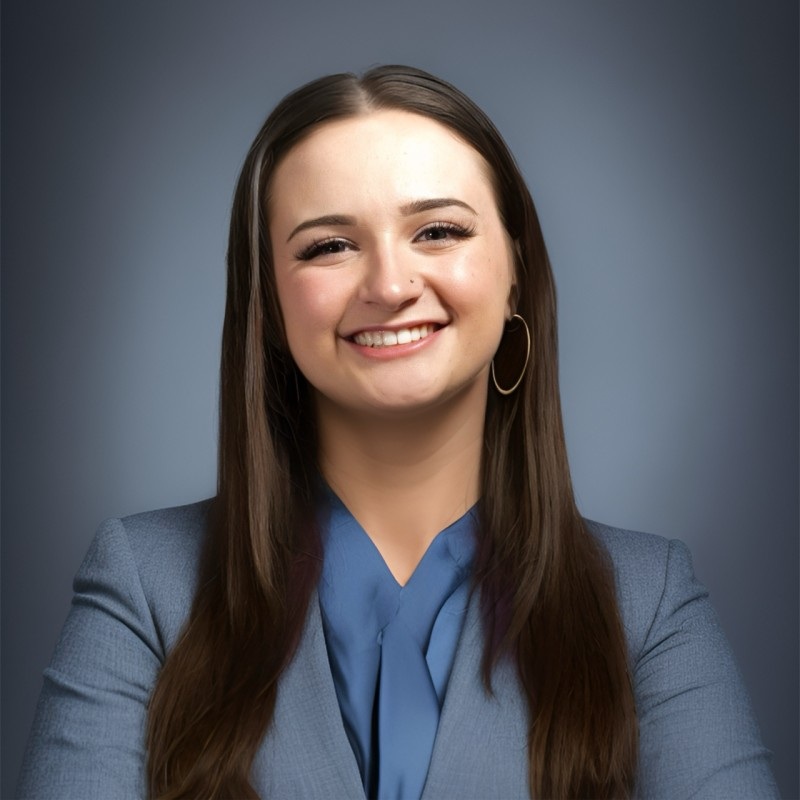
Riley Pardo Duffin MPH’25

Smiling headshot of Riley Pardo Duffin

Riley Pardo Duffin MPH’25 currently works as a paramedic at the Attleboro Fire Department and is training to become a firefighter-paramedic.

“The School of Public Health and the HES program helped prepare me to talk with my patients comprehensively about their immediate medical conditions and the social determinants of health that shape their care. Making sure patients feel heard throughout that conversation is something I carry with me every shift,” Duffin said. “The leadership development skills I gained at Brown have directly shaped my current work, allowing me to collaborate effectively with my team while we are under pressure and delivering advanced life support in a pre-hospital setting.”

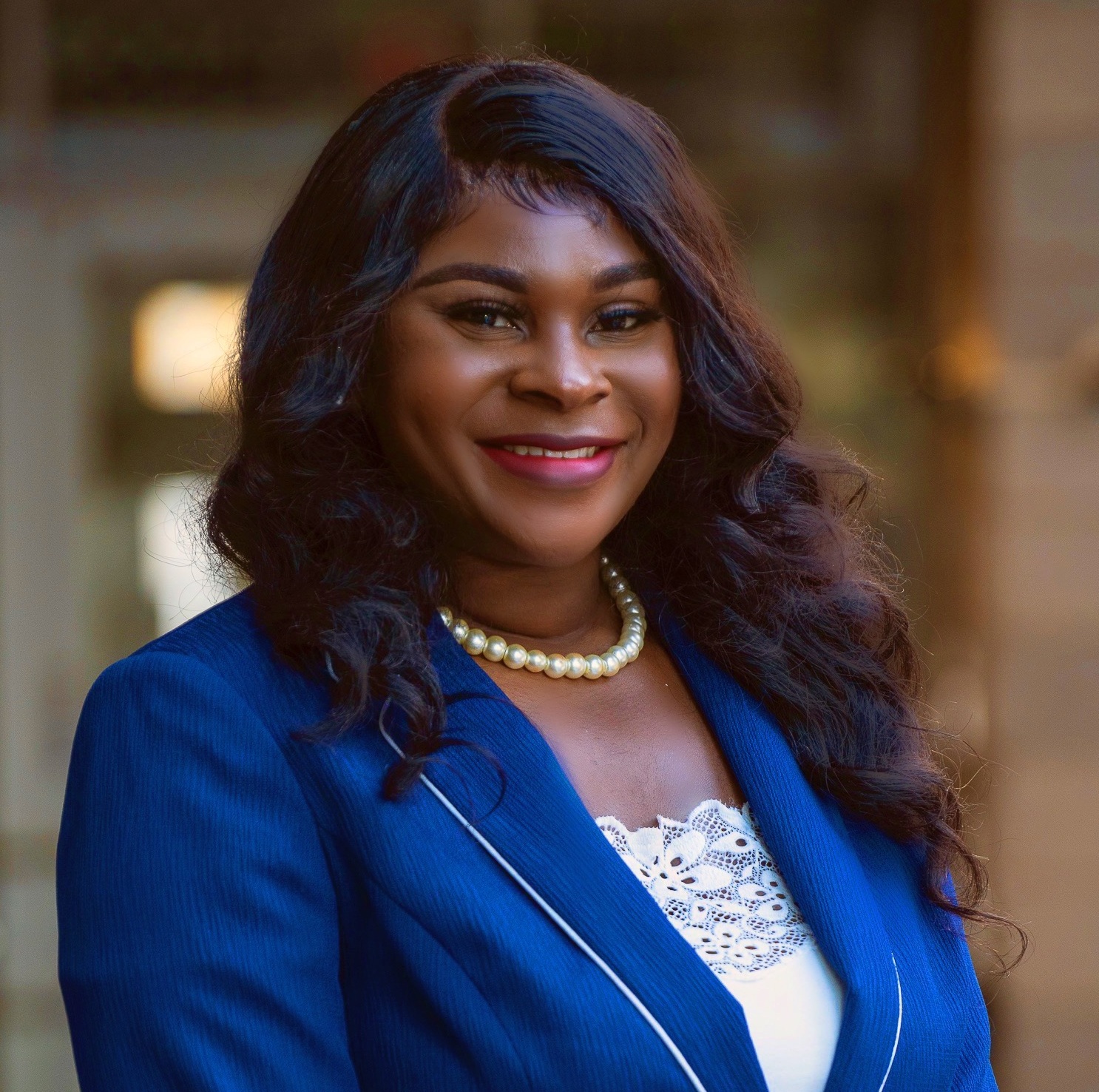
Diahmin Hawkins Sc.M.’25

Smiling headshot of Doahmin Hawkins

Diahmin Hawkins Sc.M.’25, is currently a math and science educator of Glen Oaks Intermediate School in Fairfield, Alabama. She also recently accepted an internship with Congresswoman Terri Sewell, working on education, health care and voting rights policies. She is a graduate of the Next Gen program, the biostatistics sister program of HES.

“The Next Gen program provided a valuable lens through which to understand the intersection of data and policy, and their impact on diverse populations,” Hawkins said. “Through this experience, I have strengthened my ability to apply data analysis skills, integrate knowledge of social determinants and utilize population assessment tools to inform and shape effective policy decisions.”

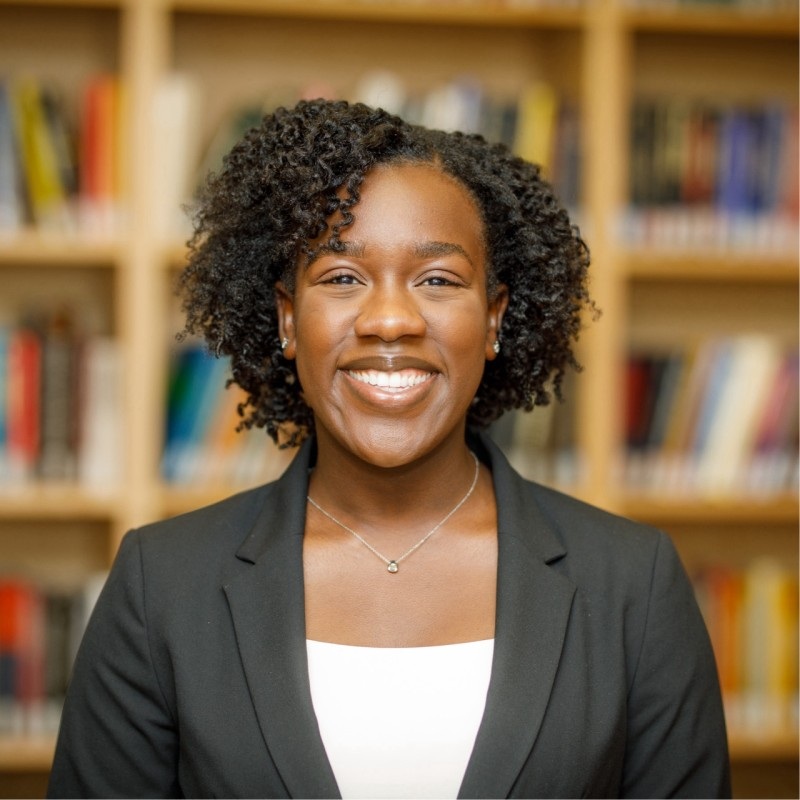
Vivian Uzoechi MPH’25

Smiling headshot of Vivian Uzoechi

Vivian Uzoechi MPH ’25 is currently a student at Brown University’s Warren Alpert Medical School. 

“My public health and leadership experiences at Brown allow me to think more critically about disease processes, the way the healthcare systems impact certain populations and the kind of physician that I aspire to be,” Uzoechi said. “The program also helped me grow into a more compassionate student, classmate and community member. It prepared me to be a lifelong learner in a professional space. It affirmed that my perspectives and experiences, those things that make up my professional identity, are a strength that I should and will carry forth through my journey.”

The program was more than an academic opportunity; it was a community of scholars, mentors, and peers who were deeply committed to the idea that health is not simply a clinical outcome, but a foundation for dignity, opportunity, and human well being.

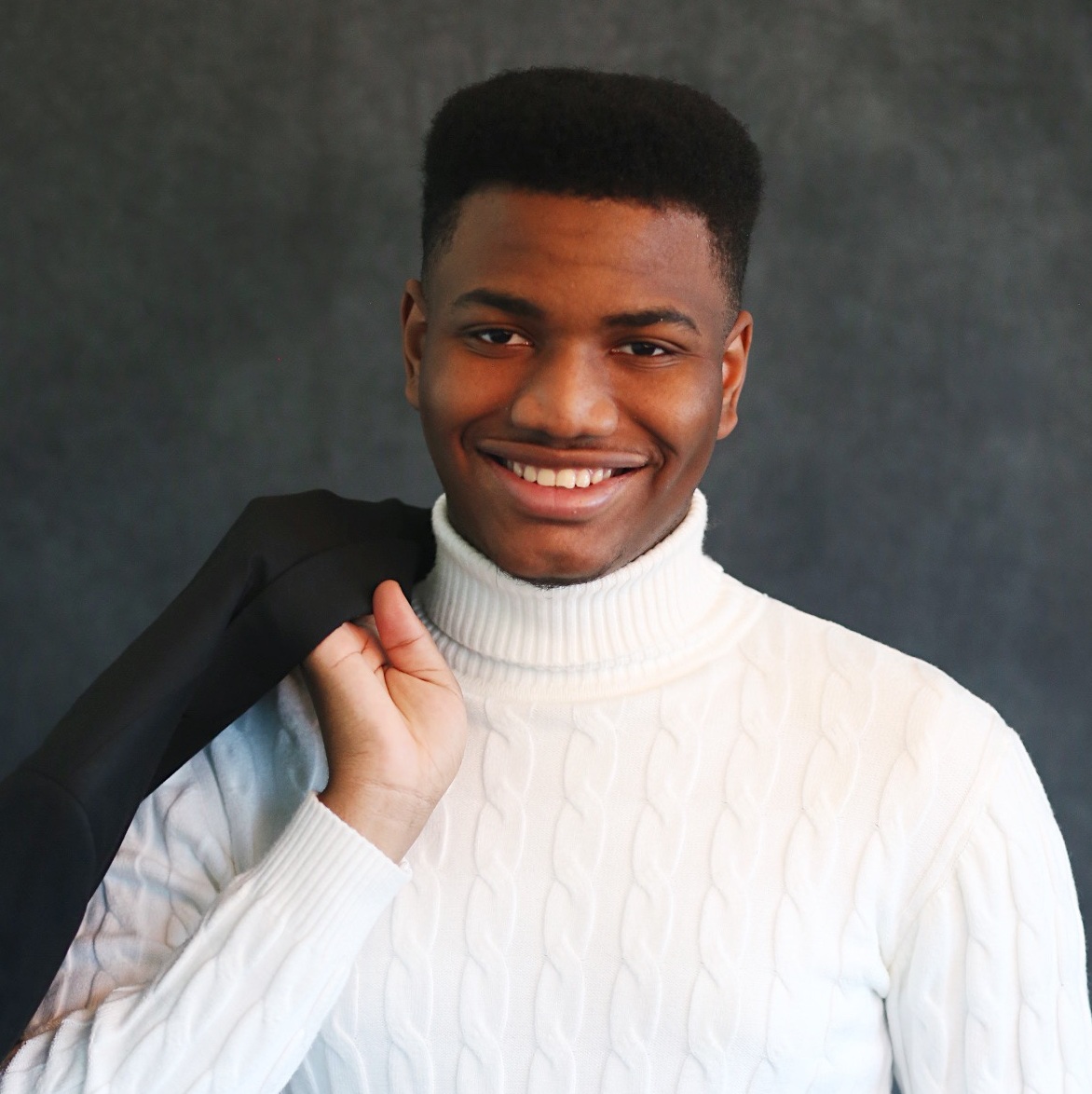
Munachimso Ugoh MPH’25
 
Munachimso Ugoh smiles wearing a Brown sweatshirt.

Munachimso Ugoh MPH’25

Headshot of Munachimso Ugoh

Munachimso Ugoh MPH ’25 is currently an analyst at Analyst Group, where he works in health economics and outcomes research. In this role, Ugoh helps conduct research using health care data to better understand treatment patterns, patient outcomes, burden of disease, health care utilization and the costs associated with different conditions and therapies.

“The Brown Health Equity Scholars program was one of the most meaningful parts of my MPH experience. To me, the program was more than an academic opportunity; it was a community of scholars, mentors, and peers who were deeply committed to the idea that health is not simply a clinical outcome, but a foundation for dignity, opportunity, and human well being,” Ugoh said. “Being surrounded by people who believed so strongly in the right of every community to live healthy and full lives helped sharpen my understanding of what public health is ultimately about: using knowledge, evidence and collective action to make systems more just.

“Most importantly,” Ugoh continued, “HES taught me to approach data with both rigor and humility. Behind every estimate is a patient, a family and a community. That perspective continues to guide the way I think about research and the responsibility we have to ensure that evidence is used to improve health for all populations.”